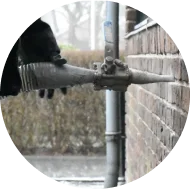
with a quick silo truck installation
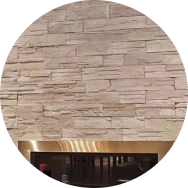
with longlasting perlite insulation
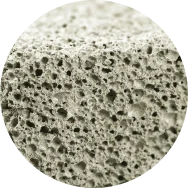
with our mineral perlite insulation
Our long-lasting partnerships with silo-truck companies ensure efficient filling at your site
Not at all. We have many years of experience installing new insulation material in cold-boxes using transporters of silo trucks. We handle this on your behalf and ensure smooth execution of your insulation.
Perlite is stable in form and shape, and once settled will not shrink or collapse any further. It is an inorganic material and therefore will not rot or allow vermin to grow inside the wall cavitites.
If the wall cavities are air and water tight, no deterioriation of the material will take place.
When silo truck deployment is impossible we can also deliver the perlite in bigbags. Here you will need to crane the bigbags over the deployment hatch and open them manually, allowing the perlite to fall into the wall cavitity and settle.
This method may also be relevant for topping up perlite after silo truck deployment.
Cryogenic insulation projects leave little room for error. Installation time, logistics, and long-term performance all have a direct impact on your operation, whether the system is part of cryogenic freezing, cryogenic storage tanks, or cold box installations operating at extreme low temperatures.
With expanded perlite from Nordisk Perlite, you choose a cryogenic insulation solution that is well proven in cold box applications and characterized by stable thermal conductivity under cryogenic conditions. The material remains stable over time and does not require ongoing maintenance, helping you avoid unexpected interventions later. Combined with a clearly defined delivery and installation process, this provides a reliable basis for planning your cryogenic project and keeping focus on safe, efficient operation.
Cryogenic insulation often involves several parties, tight schedules, and limited access. To avoid unnecessary complexity, Nordisk Perlite works with a clearly defined process where roles and responsibilities are established early. We supply the expanded perlite insulation and coordinate delivery to site, including logistics with experienced silo-truck partners where access allows. We also advise on planning and installation conditions to support smooth execution.
You support the process by preparing the site, ensuring access, and making sure the cold box is ready for insulation. Clear responsibilities from the outset help keep the project moving without unnecessary delays.
Once expanded perlite insulation is in place, it becomes an integral part of the cold box system. The material is suited for operation at cryogenic temperatures and is designed to remain stable over time under normal operating conditions. This means the insulation itself does not require ongoing attention as part of routine maintenance planning. It allows focus to remain on operating the cold box, rather than monitoring insulation performance.
From the first conversation to final delivery, we support the practical aspects of your cryogenic insulation project so you can focus on your operation. We advise on site access and delivery conditions and coordinate logistics for supplying expanded perlite, including silo-truck delivery where applicable. On the day of installation, we stay closely involved to help align communication between the parties involved and support the filling process. By taking care of these steps, we reduce unnecessary coordination burdens and help you move forward with confidence.
For expanded perlite to perform reliably over time, certain conditions around the cold box must be in place. As with other cryogenic systems, including cryogenic tanks and cryogenic storage containers, air- and water-tight conditions are essential to prevent moisture ingress and support stable insulation performance. Access also matters, as it determines how the perlite can be delivered and filled, whether by silo truck or alternative methods.

In projects where conditions differ from the standard setup, adjustments may be needed. In such cases, we help clarify options early so the cryogenic insulation solution matches the actual conditions on site and supports stable long-term operation.

0.025 - 0.029 W/m° K
45kg/m³ ± 10kg
Max. 10% + 1.18mm
Min. 50% + 0.15mm
| Metal oxide | average percentage |
|---|---|
| SiO2 | 74-77% |
| Al2O3 | 12-13% |
| TiO2 | 0,10% |
| Fe2O3 | 0,50-1,0% |
| CaO and MgO | 0,8-1,5% |
| Na2O | 3-4% |
| K2O | 4-5% |
| Sum of other oxides | Max. 0,5% |
0,5 - 6mm
85kg/m3 +/- 10kg
will not adsorb water
attracts oil
| Metal oxide | average percentage |
|---|---|
| SiO2 | 74-77% |
| Al2O3 | 12-13% |
| TiO2 | 0,10% |
| Fe2O3 | 0,50-1,0% |
| CaO and MgO | 0,8-1,5% |
| Na2O | 3-4% |
| K2O | 4-5% |
| Sum of other oxides | Max. 0,5% |
0,5 - 6mm
85kg/m³ ± 10kg
Up to 60%
Up to 6 times
| Metal oxide | average percentage |
|---|---|
| SiO2 | 74-77% |
| Al2O3 | 12-13% |
| TiO2 | 0,10% |
| Fe2O3 | 0,50-1,0% |
| CaO and MgO | 0,8-1,5% |
| Na2O | 3-4% |
| K2O | 4-5% |
| Sum of other oxides | Max. 0,5% |
Off-white
UP TO 800 kg/m²
FROM 0,5 TO 1,5mm
6,5 – 7,5
6,5 – 7,5
0,0042 W/mK
0,0042 W/mK
90kg/m³ ± 10kg
1100°C
CO² PER m³:
16kg of CO² per m³
(as per EPD update 2022)
| Metal oxide | average percentage |
|---|---|
| SiO2 | 74-77% |
| Al2O3 | 12-13% |
| TiO2 | 0,10% |
| Fe2O3 | 0,50-1,0% |
| CaO and MgO | 0,8-1,5% |
| Na2O | 3-4% |
| K2O | 4-5% |
| Sum of other oxides | Max. 0,5% |
0,0 - 1mm
700kg/m³ ± 100kg
Up to 60%
| Metal oxide | average percentage |
|---|---|
| SiO2 | 74-77% |
| Al2O3 | 12-13% |
| TiO2 | 0,10% |
| Fe2O3 | 0,50-1,0% |
| CaO and MgO | 0,8-1,5% |
| Na2O | 3-4% |
| K2O | 4-5% |
| Sum of other oxides | Max. 0,5% |
0,5 - 6mm
85kg/m³ ± 10kg
Up to 60%
Up to 6 times
| Metal oxide | average percentage |
|---|---|
| SiO2 | 74-77% |
| Al2O3 | 12-13% |
| TiO2 | 0,10% |
| Fe2O3 | 0,50-1,0% |
| CaO and MgO | 0,8-1,5% |
| Na2O | 3-4% |
| K2O | 4-5% |
| Sum of other oxides | Max. 0,5% |
0,5 - 3mm
85kg/m³ ± 10kg
Up to 60%
Up to 6 times
| Metal oxide | average percentage |
|---|---|
| SiO2 | 74-77% |
| Al2O3 | 12-13% |
| TiO2 | 0,10% |
| Fe2O3 | 0,50-1,0% |
| CaO and MgO | 0,8-1,5% |
| Na2O | 3-4% |
| K2O | 4-5% |
| Sum of other oxides | Max. 0,5% |
0,5 - 1,5mm
85kg/m³ ± 10kg
Up to 60%
Up to 6 times
| Metal oxide | average percentage |
|---|---|
| SiO2 | 74-77% |
| Al2O3 | 12-13% |
| TiO2 | 0,10% |
| Fe2O3 | 0,50-1,0% |
| CaO and MgO | 0,8-1,5% |
| Na2O | 3-4% |
| K2O | 4-5% |
| Sum of other oxides | Max. 0,5% |
0,5 - 3mm
85kg/m³ ± 10kg
Up to 60%
Up to 6 times
| Metal oxide | average percentage |
|---|---|
| SiO2 | 74-77% |
| Al2O3 | 12-13% |
| TiO2 | 0,10% |
| Fe2O3 | 0,50-1,0% |
| CaO and MgO | 0,8-1,5% |
| Na2O | 3-4% |
| K2O | 4-5% |
| Sum of other oxides | Max. 0,5% |
Off-white
UP TO 800kg/m²
FROM 0,5 TO 6mm
6,5 – 7,5
6,5 – 7,5
0,0042 W/mK
0,042 W/mK
90kg/m³ ± 10kg
1100°C
CO² PER m³:
20,9 kg of CO² PER m³
(as per EPD update 2022)
| Metal oxide | average percentage |
|---|---|
| SiO2 | 74-77% |
| Al2O3 | 12-13% |
| TiO2 | 0,10% |
| Fe2O3 | 0,50-1,0% |
| CaO and MgO | 0,8-1,5% |
| Na2O | 3-4% |
| K2O | 4-5% |
| Sum of other oxides | Max. 0,5% |
Off-white
120 gram/liter
210 –300 gram/liter
6,5 – 7,5
6,5 – 7,5
3 – 5
3 – 5
under 1 %, when dispatched
AROUND 22µ
| Metal oxide | average percentage |
|---|---|
| SiO2 | 74-77% |
| Al2O3 | 12-13% |
| TiO2 | 0,10% |
| Fe2O3 | 0,50-1,0% |
| CaO and MgO | 0,8-1,5% |
| Na2O | 3-4% |
| K2O | 4-5% |
| Sum of other oxides | Max. 0,5% |
Off-white
100 gram/liter
180 –220 gram/liter
6,5 – 7,5
6,5 – 7,5
3 – 5
3 – 5
under 1 %, when dispatched
AROUND 35µ
| Metal oxide | average percentage |
|---|---|
| SiO2 | 74-77% |
| Al2O3 | 12-13% |
| TiO2 | 0,10% |
| Fe2O3 | 0,50-1,0% |
| CaO and MgO | 0,8-1,5% |
| Na2O | 3-4% |
| K2O | 4-5% |
| Sum of other oxides | Max. 0,5% |
Off-white
100 gram/liter
160 –200 gram/liter
6,5 – 7,5
6,5 – 7,5
4 – 6
4 – 6
under 1 %, when dispatched
AROUND 40µ
| Metal oxide | average percentage |
|---|---|
| SiO2 | 74-77% |
| Al2O3 | 12-13% |
| TiO2 | 0,10% |
| Fe2O3 | 0,50-1,0% |
| CaO and MgO | 0,8-1,5% |
| Na2O | 3-4% |
| K2O | 4-5% |
| Sum of other oxides | Max. 0,5% |
Off-white
90 gram/liter
150 –170 gram/liter
6,5 – 7,5
6,5 – 7,5
4 – 6
4 – 6
under 1 %, when dispatched
AROUND 42µ
| Metal oxide | average percentage |
|---|---|
| SiO2 | 74-77% |
| Al2O3 | 12-13% |
| TiO2 | 0,10% |
| Fe2O3 | 0,50-1,0% |
| CaO and MgO | 0,8-1,5% |
| Na2O | 3-4% |
| K2O | 4-5% |
| Sum of other oxides | Max. 0,5% |
Off-white
90 gram/liter
140 –160 gram/liter
6,5 – 7,5
6,5 – 7,5
4 – 6
4 – 6
under 1 %, when dispatched
AROUND 48µ
| Metal oxide | average percentage |
|---|---|
| SiO2 | 74-77% |
| Al2O3 | 12-13% |
| TiO2 | 0,10% |
| Fe2O3 | 0,50-1,0% |
| CaO and MgO | 0,8-1,5% |
| Na2O | 3-4% |
| K2O | 4-5% |
| Sum of other oxides | Max. 0,5% |
Off-white
90 gram/liter
140 –160 gram/liter
6,5 – 7,5
6,5 – 7,5
4 – 6
4 – 6
under 1 %, when dispatched
AROUND 52µ
| Metal oxide | average percentage |
|---|---|
| SiO2 | 74-77% |
| Al2O3 | 12-13% |
| TiO2 | 0,10% |
| Fe2O3 | 0,50-1,0% |
| CaO and MgO | 0,8-1,5% |
| Na2O | 3-4% |
| K2O | 4-5% |
| Sum of other oxides | Max. 0,5% |
Off-white
UP TO 800kg/m²
FROM 0,5 to 3mm
6,5 – 7,5
6,5 – 7,5
0,0042 W/mK
0,0042 W/mK
90kg/m³ ± 10kg
1100°C
CO² PER m³:
16kg of CO² PER m³
(as per EPD update 2022)
| Metal oxide | average percentage |
|---|---|
| SiO2 | 74-77% |
| Al2O3 | 12-13% |
| TiO2 | 0,10% |
| Fe2O3 | 0,50-1,0% |
| CaO and MgO | 0,8-1,5% |
| Na2O | 3-4% |
| K2O | 4-5% |
| Sum of other oxides | Max. 0,5% |
Ultra light-weight
200µ
55µ ± 5µ
yes
130kg/m³ ± 20kg
a1 - non flammable
| Metal oxide | average percentage |
|---|---|
| SiO2 | 74-77% |
| Al2O3 | 12-13% |
| TiO2 | 0,10% |
| Fe2O3 | 0,50-1,0% |
| CaO and MgO | 0,8-1,5% |
| Na2O | 3-4% |
| K2O | 4-5% |
| Sum of other oxides | Max. 0,5% |
20,9kg OF CO² PER m³ (as per EPD update 2022)
0.5-6mm
yes
85kg/m³ ± 15kg
1100°C
a1 - non flammable
| Metal oxide | average percentage |
|---|---|
| SiO2 | 74-77% |
| Al2O3 | 12-13% |
| TiO2 | 0,10% |
| Fe2O3 | 0,50-1,0% |
| CaO and MgO | 0,8-1,5% |
| Na2O | 3-4% |
| K2O | 4-5% |
| Sum of other oxides | Max. 0,5% |
0-1mm
yes
80kg/m³ ± 15kg
80kg/m³ ± 15kg
1100°C
a1 - non flammable
| Metal oxide | average percentage |
|---|---|
| SiO2 | 74-77% |
| Al2O3 | 12-13% |
| TiO2 | 0,10% |
| Fe2O3 | 0,50-1,0% |
| CaO and MgO | 0,8-1,5% |
| Na2O | 3-4% |
| K2O | 4-5% |
| Sum of other oxides | Max. 0,5% |
20,9kg OF CO² PER m³ (as per EPD update 2022)
0.5-3mm
yes
85kg/m³ ± 15kg
1100°C
a1 - non flammable
| Metal oxide | average percentage |
|---|---|
| SiO2 | 74-77% |
| Al2O3 | 12-13% |
| TiO2 | 0,10% |
| Fe2O3 | 0,50-1,0% |
| CaO and MgO | 0,8-1,5% |
| Na2O | 3-4% |
| K2O | 4-5% |
| Sum of other oxides | Max. 0,5% |
20,9kg OF CO² PER m³ (as per EPD update 2022)
0-1mm
yes
85kg/m³ ± 15kg
1100°C
a1 - non flammable
| Metal oxide | average percentage |
|---|---|
| SiO2 | 74-77% |
| Al2O3 | 12-13% |
| TiO2 | 0,10% |
| Fe2O3 | 0,50-1,0% |
| CaO and MgO | 0,8-1,5% |
| Na2O | 3-4% |
| K2O | 4-5% |
| Sum of other oxides | Max. 0,5% |
0.5-6mm
yes
80kg/m³ ± 15kg
85kg/m³ ±15kg
1100°C
a1 - non flammable
| Metal oxide | average percentage |
|---|---|
| SiO2 | 74-77% |
| Al2O3 | 12-13% |
| TiO2 | 0,10% |
| Fe2O3 | 0,50-1,0% |
| CaO and MgO | 0,8-1,5% |
| Na2O | 3-4% |
| K2O | 4-5% |
| Sum of other oxides | Max. 0,5% |
0.5-3mm
yes
80kg/m³ ± 15kg
85kg/m³ ± 15kg
1100°C
a1 - non flammable
| Metal oxide | average percentage |
|---|---|
| SiO2 | 74-77% |
| Al2O3 | 12-13% |
| TiO2 | 0,10% |
| Fe2O3 | 0,50-1,0% |
| CaO and MgO | 0,8-1,5% |
| Na2O | 3-4% |
| K2O | 4-5% |
| Sum of other oxides | Max. 0,5% |
0-3mm
yes
80kg/m³ ± 15kg
85kg/m³ ± 15kg
1100°C
a1 - non flammable
| Metal oxide | average percentage |
|---|---|
| SiO2 | 74-77% |
| Al2O3 | 12-13% |
| TiO2 | 0,10% |
| Fe2O3 | 0,50-1,0% |
| CaO and MgO | 0,8-1,5% |
| Na2O | 3-4% |
| K2O | 4-5% |
| Sum of other oxides | Max. 0,5% |
0-2mm
yes
80kg/m³ ± 15kg
80kg/m³ ± 15kg
1100°C
a1 - non flammable
| Metal oxide | average percentage |
|---|---|
| SiO2 | 74-77% |
| Al2O3 | 12-13% |
| TiO2 | 0,10% |
| Fe2O3 | 0,50-1,0% |
| CaO and MgO | 0,8-1,5% |
| Na2O | 3-4% |
| K2O | 4-5% |
| Sum of other oxides | Max. 0,5% |
Ultra light-weight
500µ
65µ
yes
110kg/m³ ± 20kg
D10: 40µ, D50: 85µ
D97: 260µ
| Metal oxide | average percentage |
|---|---|
| SiO2 | 74-77% |
| Al2O3 | 12-13% |
| TiO2 | 0,10% |
| Fe2O3 | 0,50-1,0% |
| CaO and MgO | 0,8-1,5% |
| Na2O | 3-4% |
| K2O | 4-5% |
| Sum of other oxides | Max. 0,5% |
Ultra light-weight
300µ
55µ ± 5µ
yes
250kg/m³ ± 50kg
a1 - non flammable
| Metal oxide | average percentage |
|---|---|
| SiO2 | 74-77% |
| Al2O3 | 12-13% |
| TiO2 | 0,10% |
| Fe2O3 | 0,50-1,0% |
| CaO and MgO | 0,8-1,5% |
| Na2O | 3-4% |
| K2O | 4-5% |
| Sum of other oxides | Max. 0,5% |
Ultra light-weight
300µ
75µ
yes
120kg/m³ ± 20kg
D10: 35µ, D50: 70µ
D97: 140µ
| Metal oxide | average percentage |
|---|---|
| SiO2 | 74-77% |
| Al2O3 | 12-13% |
| TiO2 | 0,10% |
| Fe2O3 | 0,50-1,0% |
| CaO and MgO | 0,8-1,5% |
| Na2O | 3-4% |
| K2O | 4-5% |
| Sum of other oxides | Max. 0,5% |
Ultra light-weight
300µ
65µ
yes
120kg/m³ ± 20kg
D10: 30µ, D50: 65µ
D97: 120µ
| Metal oxide | average percentage |
|---|---|
| SiO2 | 74-77% |
| Al2O3 | 12-13% |
| TiO2 | 0,10% |
| Fe2O3 | 0,50-1,0% |
| CaO and MgO | 0,8-1,5% |
| Na2O | 3-4% |
| K2O | 4-5% |
| Sum of other oxides | Max. 0,5% |
Ultra light-weight
300µ
55µ ± 5µ
yes
250kg/m³ ± 50kg
a1 - non flammable
| Metal oxide | average percentage |
|---|---|
| SiO2 | 74-77% |
| Al2O3 | 12-13% |
| TiO2 | 0,10% |
| Fe2O3 | 0,50-1,0% |
| CaO and MgO | 0,8-1,5% |
| Na2O | 3-4% |
| K2O | 4-5% |
| Sum of other oxides | Max. 0,5% |
Ultra light-weight
200µ
55µ
yes
130kg/m³ ± 20kg
D10: 25µ, D50: 55µ,
D97: 105µ
| Metal oxide | average percentage |
|---|---|
| SiO2 | 74-77% |
| Al2O3 | 12-13% |
| TiO2 | 0,10% |
| Fe2O3 | 0,50-1,0% |
| CaO and MgO | 0,8-1,5% |
| Na2O | 3-4% |
| K2O | 4-5% |
| Sum of other oxides | Max. 0,5% |
Ultra light-weight
300µ
100µ ± 20µ
yes
105kg/m³ ± 15kg
a1 - non flammable
| Metal oxide | average percentage |
|---|---|
| SiO2 | 74-77% |
| Al2O3 | 12-13% |
| TiO2 | 0,10% |
| Fe2O3 | 0,50-1,0% |
| CaO and MgO | 0,8-1,5% |
| Na2O | 3-4% |
| K2O | 4-5% |
| Sum of other oxides | Max. 0,5% |
Ultra light-weight
300µ
75µ ± 8µ
yes
120kg/m³ ± 20kg
a1 - non flammable
| Metal oxide | average percentage |
|---|---|
| SiO2 | 74-77% |
| Al2O3 | 12-13% |
| TiO2 | 0,10% |
| Fe2O3 | 0,50-1,0% |
| CaO and MgO | 0,8-1,5% |
| Na2O | 3-4% |
| K2O | 4-5% |
| Sum of other oxides | Max. 0,5% |
Ultra light-weight
300µ
65µ ± 7µ
yes
120kg/m³ ± 20kg
a1 - non flammable
| Metal oxide | average percentage |
|---|---|
| SiO2 | 74-77% |
| Al2O3 | 12-13% |
| TiO2 | 0,10% |
| Fe2O3 | 0,50-1,0% |
| CaO and MgO | 0,8-1,5% |
| Na2O | 3-4% |
| K2O | 4-5% |
| Sum of other oxides | Max. 0,5% |